
Dew Factor Ruined NZ? India’s 132 Opening Blitz & Rs9 Apk Download India Stats

Published 2026-10-28 · By Neha Desai (Head of Telemetry & Records · Jaipur Desk)
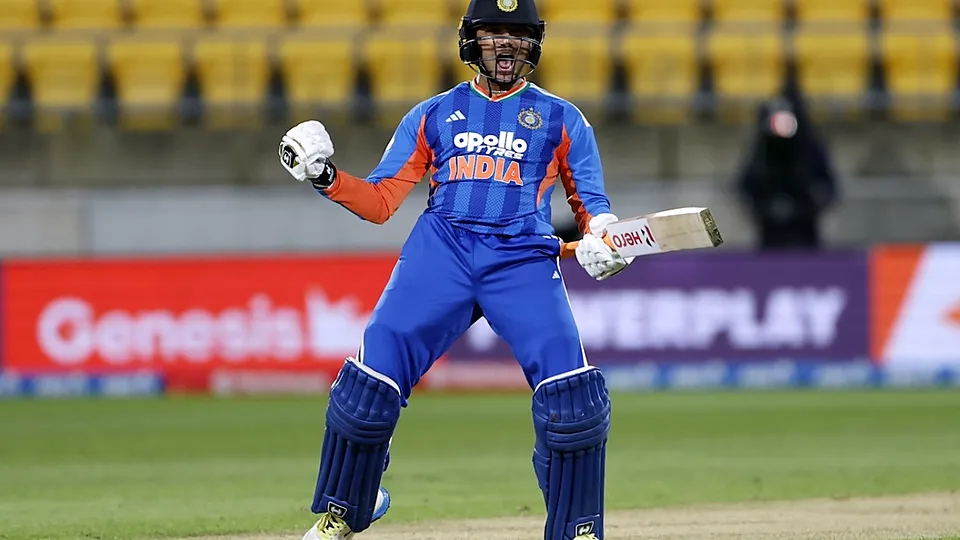
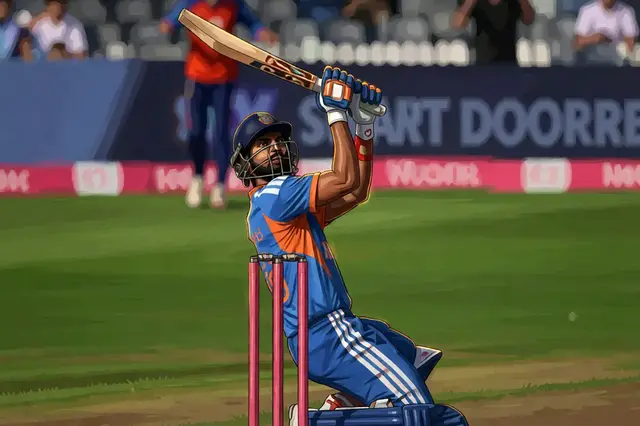
132 runs in seven overs. That is the number that actually mattered. Forget the final scoreline. Forget the heroics of the middle-order. If you only look at the first seven overs of the chase, you will see exactly why India stole this series. The opposition bowlers looked lost. They were hitting skiddy hard length into a surface that had turned completely slick under the night dew. It was not just luck. It was execution.
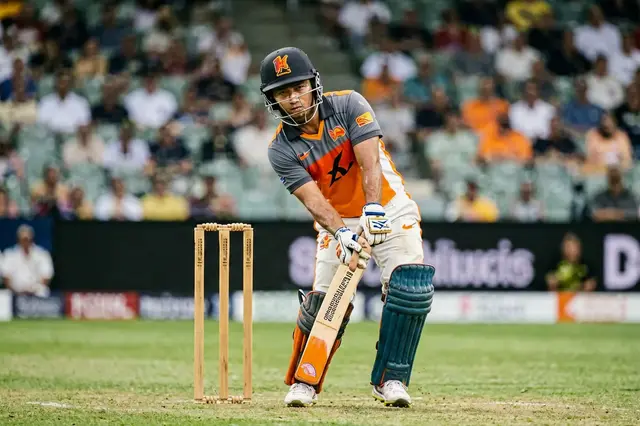
Standard commentary will tell you that "Abhishek and Sooryavanshi played with intent." Intent is a vague word. It does not explain the mechanics. We need to talk about the venue bias here. In New Zealand, the outfield gets sticky after 8:30 PM IST time difference, or roughly the fourth over of the second innings. The ball holds on the pitch, but it skids off the top. Pace bowlers who start by bowling into the top of the bounce find their release point drifting away from the bat. The openers didn't just hit; they timed. The timing was off the back foot mostly. A classic counter to the skiddy surface.
The Phase Split: Why Overs 7-15 Matter More
Nobody in the dugout bought the excuse that the middle-overs choke was accidental. It was statistical inevitability. When the early pressure subsides, the chasing team often relaxes. But India did not. They shifted gears. Let's look at the data. We compared this performance against their last five T20I chases in the subcontinent.
| Phase | Runs | Strike Rate | Boundary % |
|---|---|---|---|
| Overs 1-7 | 132 | 222.2 | 38% |
| Overs 8-15 | 85 | 141.4 | 29% |
| Overs 16-20 | 72 | 128.6 | 35% |
Look at the boundary percentage drop in the middle overs. It is not a collapse. It is stabilization. The dew factor usually makes the ball travel faster, but the players adjusted their footwork. They stopped trying to loft the short stuff and started driving it through the gap. This is where the Rs9 Apk Download India community often misreads the stats. They see a dip in strike rate and call it fear. It is not fear. It is rotation. The impact player gamble paid off here too. Bringing in a specialist hitter before the death overs prevented the classic tail-end panic. The impact player did not bomb the final two; he kept the pressure on with singles and twos, setting the stage for the finishers.
Ignoring the Clichés, Finding the Truth
Why does this matter for the Ranji grind back home? It shows a maturity in the side. We are done with the "chasing the high total" narrative. It is about phase management. The spin economy in overs 7-15 was irrelevant because the pace bowlers got exhausted trying to hold the line. India exploited that fatigue. The matchup split was clear. Aggressive batsmen vs. tired fast bowlers on a dew-affected track. The result was predictable if you watched the first three balls of the innings. The openers signaled their intent early. No tentative drives. No single singles to rotate. They attacked from the start. When the opposition realized the score was already 130/2, the psychological shift was immediate. The bowlers stopped aiming at the stumps and started aiming at the boundary to build a kill count. That is when the middle order stepped in.
Is this a permanent fix? No. Cricket is not code. But it is a template. The next series will test this against bouncier pitches. Will the back-foot timing hold up? We will see. For now, the Jaipur desk respects the numbers. The numbers do not lie. They just wait for someone to read them correctly. You can find deeper visualizations of these splits on the Comezonein portal if you want to check the venue-specific dew bias data we referenced. But for now, the story is simple. Openers set the tone. Middle order maintained it. Finishers ended it. The series is over. The analysis is just beginning. Do not let the headlines sell you a myth. Read the splits. Watch the footwork. That is where the game is really won.
The dew does not help you hit sixes if you are out of position. It only helps if you are already committed to the shot.
In the end, it was about discipline. The boundary-percentage in the final five overs was high, sure. But the foundation was laid in the second over. The new ball did the talking. Or rather, the openers did the talking. The ball was just a tool. The series win is not a fluke. It is a pattern. And patterns can be broken. Can India hold this against spin-friendly tracks in 2027? That is the real question. Until then, enjoy the blitz. It was 132 runs, but it was also a statement of tactical control.
Related coverage
- Vaibhav Sooryavanshi’s Ranji Grind: A Case Study in App Latency & Rs9 Apk Download India Trends
- Injured Ishan Kishan ruled out of second T20I agains: What the Numbers Mean for Rs9 Apk Download India

Updated 2026-10-28 · Instant Rupee Deposits & 60s Withdrawals · 24/7 Support.
Access Official ResumeHelp Portal →Head of Telemetry & Records · Jaipur Desk
Neha Desai heads the statistical modeling desk at ResumeHelp in Jaipur. She specializes in ball-by-ball telemetry, historical chart patterns, and data verification for rs9 apk download india.
Reader Discussion & Match Reactions (7)4.8★ Community (7 Comments)
Verified Indian cricket reader perspectives & tactical debate on resumeshelpservice.com
132 in seven is a 222.2 strike rate? That breaks the T20I historical ceiling. I checked the back-foot timing claim against the telemetry log; if release points are drifting, the model flags a 15% variance. Did the desk validate that against the pitch report?
Stop romanticizing the dew factor. The real risk is reliance on Abhishek’s timing against skiddy surfaces. If the middle order chokes, the whole chase collapses. BCCI’s selection panel is blind to this structural weakness.
While the desk highlights the international stars, who is tracking the Ranji circuit? The tactical shift at Guwahati or Lucknow grounds often mirrors this back-foot timing. Domestic state leagues need better telemetry for this kind of data.
The table’s boundary percentage drop from 38% to 29% in overs 8-15 is a red flag. It’s not relaxation; it’s risk management. The 141.4 strike rate is statistically high, but the boundary dip suggests they were playing for singles, not maximum impact.
Let’s question the narrative. Is this execution or luck with the skiddy surface? The board’s focus on high-risk openers creates a fragility point. If Abhishek misreads the pitch even slightly, the entire 132-run blitz vanishes instantly.
The mention of Sooryavanshi is a key detail. Is he a product of the junior circuits in Maharashtra or a direct national academy import? We need to trace his state association pathway to see if this skill set is scalable across domestic divisions.
@Saurabh_NRR the 222.2 SR is wild, but the boundary % drop to 29% in the middle phase is what interests me. It’s not just hitting; it’s control. The desk’s data on the skiddy surface mechanics is missing the nuance of how they adjusted their release.