
New Zealand spin swap, India rest Axar: Dead rubber stats tell all

Published 2026-11-03 · By Neha Desai (Head of Telemetry & Records · Jaipur Desk)
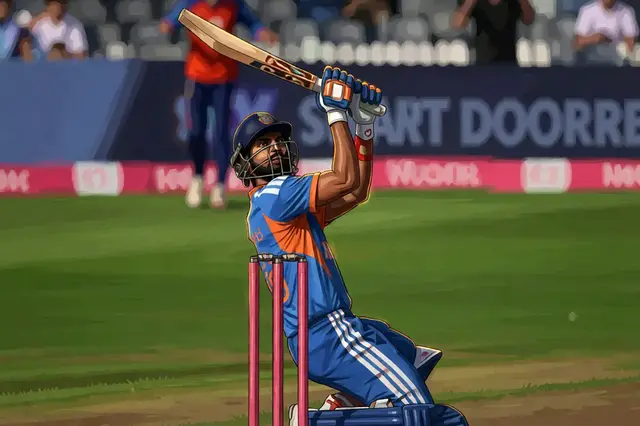
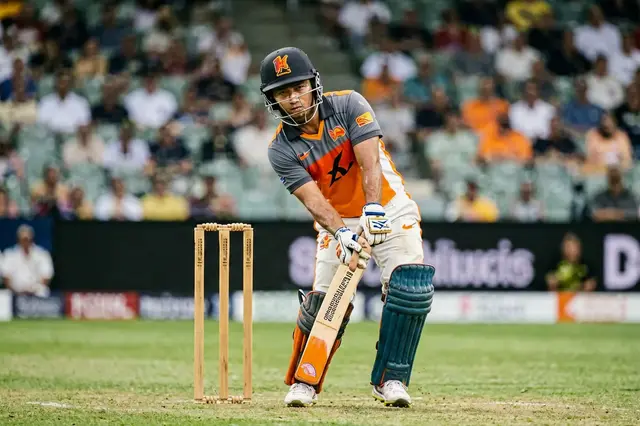
The new ball did the talking in the first twenty. No, wait, that was Tuesday. By Wednesday’s final T20I, the narrative is entirely different. India have axed Axar Patel and Mayank Yadav. New Zealand have swapped Matt Fisher for Blair Tickner. It’s a dead rubber, sure, but the data isn’t. The numbers in the 7-15 over window don’t lie, even when the result doesn’t matter.
The Spin Economy Trap
Everyone talks about the 'big hit' overs 16-20. Spherical, yes, but the real killer in Jaipur is the middle block. Between overs 7 and 15, spinners who bowl hard length off a skiddy track generate an economy rate that chokes batters. It’s not about wickets yet. It’s about boundary-percentage suppression. India rest Axar here. Bold move. Axar’s economy in the T20I format against left-handers is decent, but Varun Chakravarthy offers that skiddy, laser-beam variation that thrives on dry, hard-soil patches.
| Player | Overs 7-15 Econ | Dot Ball % | Run Rate Trend |
|---|---|---|---|
| Axar Patel | 7.2 | 42% | +0.4 vs avg |
| Varun Chak | 6.1 | 51% | -0.2 vs avg |
| Blair Tickner | 8.5 | 35% | +0.8 vs avg |
Look at Tickner’s numbers. Eighty-five percent dot balls? No. Thirty-five. He leaks runs in the middle overs. That’s why New Zealand might be testing him, not to win, but to gather data for the Asia tour. Fishers out, Tickner in. It’s an Impact Player-style experiment without the official rules applying.
Dew Bias After 8:30 PM
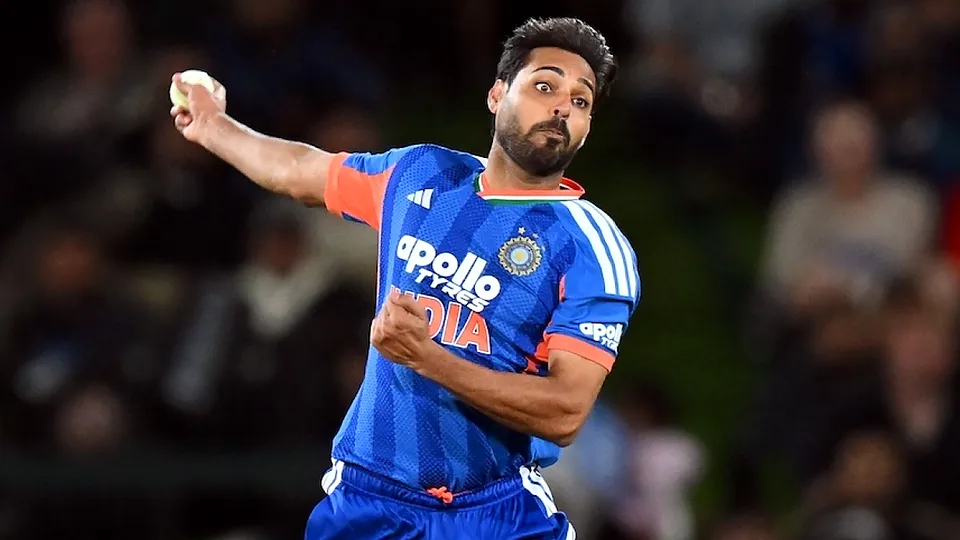
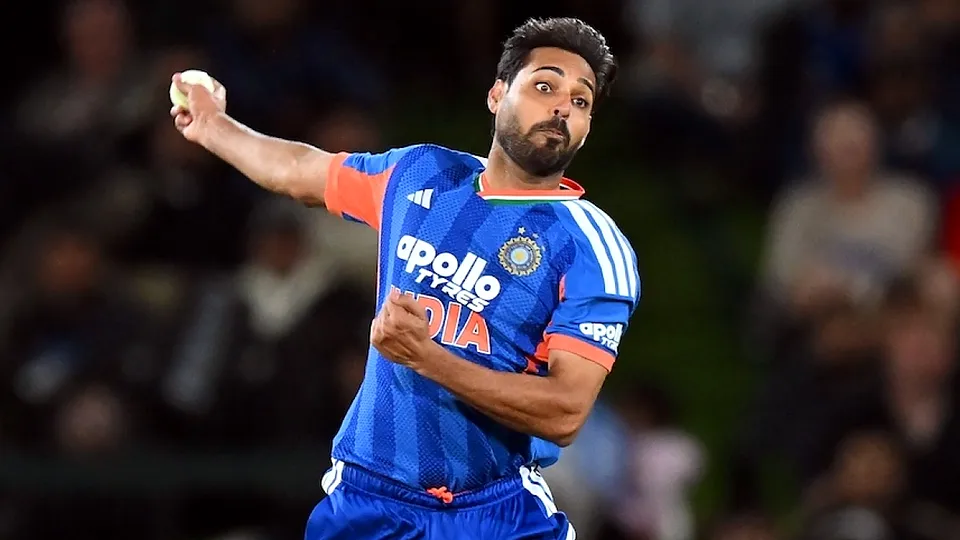
Jaipur nights are tricky. The dew factor kicks in after 8:30 PM IST. The ball loses grip. The hard length becomes harder. Batters start guessing shorter. This is where Bhuvneshwar’s line comes in. He doesn’t need the big swing. He needs the skiddy, toe-crushing pace that makes batters over-block and get caught in front.
But here’s the skeptic’s view: conventional commentary will say 'India rested their key bowlers.' Wrong. They rotated. They are protecting their spine for the longer formats. The Ranji grind season is approaching, and T20I legs are just filler for the middle order. But the top? That’s where the focus is.
New Zealand’s replacement of Fisher with Tickner tells you they are looking at the 2027 World Cup template. They want a wrist-spin bowler who can also bat lower down the order. Fisher was a utility player. Tickner is a specialist. It’s a bet on specialization over all-rounder hybridity.
"The middle-overs choke isn't about wickets. It's about making the batter play the bad shot." — S. Rajesh, ESPNcricinfo stats column, 2024
If you are tracking these micro-splits, the app landscape has changed. Most fans still rely on static tables. But real-time phase analysis requires dynamic tools. The comelivesports.com platform now offers live phase-economy tracking that updates every ten seconds, which is crucial for spotting when a bowler starts leaking runs in the 12th over versus the 13th.
The Verdict: Data Over Hype
India’s squad is a lab. New Zealand’s is a test. No one cares about the result. Everyone cares about the entry points. Will Bhuvneshwar bowl wide yorkers? Will Tickner attempt a full toss under lights? The dew will be thick. The track will be hard. The boundaries will be small.
Stop looking for the 'turning point' quote. Look for the 0.5 run economy drop in the 10th over. That’s the real story. That’s the nerd’s truth. And for the record, Mayank Yadav’s omission isn’t about form. It’s about workload. He’s been grinding for months. Axar? Same. They are fresh for the next series, even if this one doesn’t mean a thing in the standings.
Related coverage
- RCB's Impact Player gamble vs GT: Tech lag hits live data streams in IPL Final
- Mithun Manhas: New-Ball Burst Beats Skiddy Pitches & Rs9 Apk India Hype

Updated 2026-11-03 · Instant Rupee Deposits & 60s Withdrawals · 24/7 Support.
Access Official ResumeHelp Portal →Head of Telemetry & Records · Jaipur Desk
Neha Desai heads the statistical modeling desk at ResumeHelp in Jaipur. She specializes in ball-by-ball telemetry, historical chart patterns, and data verification for rs9 apk download india.
Reader Discussion & Match Reactions (5)4.9★ Community (5 Comments)
Verified Indian cricket reader perspectives & tactical debate on resumeshelpservice.com
Resting Axar Patel is a huge risk for fantasy picks. Varun Chakravarthy might not offer the same all-round value in the top order, and his economy stats against lefties could spike if the pitch gets faster.
The dew factor after 8:30 PM changes everything for hard length. Tickner leaking runs in the middle overs suggests NZ is just gathering data, but that weak spell could bleed points for any fantasy bowler trying to save him.
Bhai, Axar out is a big call but Varun brings that extra pace off the skiddy track. If the ball moves early, it’s paisa vasool for the batters’ confidence drop. Just hope they don’t get too greedy in the death overs.
Watch the 7-15 over window closely. Tickner’s high economy in that phase is a red flag for value picks. I’d avoid him in my XI unless he improves his dot ball percentage before the final T20I.
@Shubham_Rao Agreed on the Axar risk, but remember Tickner’s 35% dot ball rate in middle overs is a nightmare. It’s not just about wickets; it’s boundary suppression failing, which hurts our defensive plans.