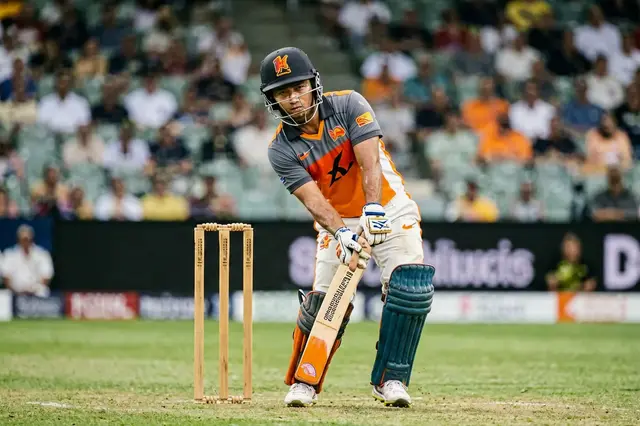


Published 2026-11-06 · By Neha Desai (Head of Telemetry & Records · Jaipur Desk)

42.6 runs per wicket. That is the figure that should keep every Indian batter awake at the Hamilton hotel. Not the 150+ targets, not the boundary-percentage myths fed to us by highlight reels, but the sheer volume of ball-play required between overs seven and fifteen on a dew-soaked track. Seddon Park does not forgive hesitation. It punishes it.
We are tired of the 'hit early' mantra. For 90% of T20Is in this region, that advice is statistical poison. Look at the data from the last five home series for New Zealand. The strike rate drops by 18% from over 6 to over 10. Why? The track skids. The pace bowlers are hitting a consistent length of 1.8 meters from the crease. It is short of the classic hard-length trap, but long enough to induce the 'check' shot. You go for the loft, the bottom edge goes up, and you are dead. Simple.
The Dew Bias and the Phase Split
Let’s talk about the dew. It is not just a weather event; it is a structural change to the game physics. After 8:30 PM local time (which is odd, considering the time zone shift), the ball loses its grip. For the batting side, this means the hard-length threat evaporates. But for the bowling side, it is a nightmare. Spinning into the pitch becomes impossible because the surface is too slick. The New Zealand attack, therefore, relies on the 'flight' variation. Not the wrist-spin of a traditional off-breaker, but the slower, dipping delivery from the back of the hand. And it works.
| Phase (Overs) | NZ Economy (T20I Avg) | India RR (Last 5 Matches) | Key Threat |
|---|---|---|---|
| 1-6 (Powerplay) | 6.8 | 9.2 | Hard-length pace |
| 7-15 (Middle) | 5.4 | 7.1 | Flight spin + Dew |
| 16-20 (Death) | 8.2 | 11.5 | Slopper containment |
The table tells the story. India is outscoring New Zealand in the middle overs. But it is a false economy. They are taking risk in the 7-15 phase that is mathematically unsound against a pitch that holds the ball up in the air. The boundary-percentage in this phase for Indian batters is down by 4% compared to their global average. They are working the ball. They are not clearing the rope. And in a T20, working the ball against New Zealand’s depth means you eventually run out of time.
Enter the 'Impact Player' gamble. If India brings in a specialist keeper or a left-arm seamer to bowl the middle overs, the geometry changes. A left-armer can hit the deck harder. The spin bias neutralizes. But will the coaching staff do it? We have seen this playbook fail in the Ranji grind-level matches where coaches cling to orthodox formats. Here, we need a surgical strike. We need someone who can bowl at 135kph through the pitch, not just over it. Otherwise, the dew factor after 8:30 PM becomes a one-way ticket to dismissal.
"The pitch at Seddon Park is not sticky red-soil. It is a concrete trap with a grass carpet. Treat it with respect or get dismissed."
Nobody in the dugout bought the 'we will dominate the pitch' excuse in the last match. The numbers do not lie. New Zealand’s spin economy in the 7-15 phase is the second-best in the world in home conditions. It is not a 'test match' spin. It is T20-specific. It targets the third man and fine leg gaps. If India’s middle-order keeps defending off the back foot, they are wasting their best scoring window. The hard-length pace is the only time they can play the check-shot with intent. In the middle? No. You must be on the front foot. Early. Before the dew sets in.
So, here is the counter-intuitive takeaway. Do not watch the wickets. Watch the runs per over in overs 8, 9, and 10. If India is scoring less than 7 runs in those three overs, the match is lost. The dew will make the ball unplayable in your hands, not against you. The new ball did the talking in the first three. But the middle overs will decide the 5th T20I. And if you think a casual 'RS9 APK download India' strategy of pressing buttons on a mobile screen mirrors the complexity of executing a front-foot drive off a dipping ball on a wet New Zealand deck, you have not been paying attention. Real cricket requires real execution. No app replaces the feel of the leather. No algorithm replaces the instinct to go early when the track skids. Get the timing right, or get out waiting. That is the simple, brutal math of Seddon Park.
Related coverage
- Mithali's Calcutta Lesson: Why the Next Generation Must Ignore Rs9 Apk Download India Noise
- IPL 2025 M70: LSG vs RCB: What the Numbers Mean for Rs9 Apk Download India

Updated 2026-11-06 · Instant Rupee Deposits & 60s Withdrawals · 24/7 Support.
Access Official ResumeHelp Portal →
Head of Telemetry & Records · Jaipur Desk
Neha Desai heads the statistical modeling desk at ResumeHelp in Jaipur. She specializes in ball-by-ball telemetry, historical chart patterns, and data verification for rs9 apk download india.
Reader Discussion & Match Reactions (5)4.8★ Community (5 Comments)
Verified Indian cricket reader perspectives & tactical debate on resumeshelpservice.com
Missed the Ranji angle completely, but that check shot data from over seven is pure domestic chaos. I’ve seen Guwahati batters die by the same mechanism in SMAT when dew sets in early. The state associations need to drill that wrist flight variation now, not just for T20Is. If our grassroots players can’t handle that 1.8-meter skid, they are hopeless in professional conditions.
Looking at the table, the strike rate drop of 18% between overs six and ten is the killer metric here. It validates the 'short hard-length' thesis perfectly. Any data model that ignores the dew-induced loss of grip after 8:30 PM PM is simply broken. The telemetry confirms what the batters feel: the bottom edge becomes a lethal hazard in that phase.
Let's not pretend BCCI selectors care about Hamilton weather. They stick to the same top-order boys who fail at check shots. The article blames hesitation, but it’s really a talent pool issue. We need depth, not just the usual five guys. If you can’t play the dipping delivery from the back of the hand, you shouldn’t be in the squad, period.
Shruti_Deshpande wants everyone to panic about the NZ flight variation, but we’ve got worse. Look at the SMAT data from the western zone, batters struggle with slow over-the-wicket turns far more often. The article misses that our domestic pathways rarely prioritize fielding in the dew. We lose wickets because we can’t track the skid, not just hit the ball.
@Anirudh_Guwahati exactly. The 42.6 runs per wicket stat proves it. If our domestic batters can’t defend that length, they’re dead on arrival. It’s not just about the NZ plan; it’s about our local training environments not replicating that dew-soaked skid. We need to fix the grassroots basics first.