
Wet NZ Pitches Bite: Impact Player Gambles & Rs9 Apk Download India Watch


Published 2026-11-12 · By Aditya Kaul (Syndicate & Match Preview Editor · Bengaluru Desk)

At 14:45 IST on day two, the ball skidded off a damp patch at the 22‑yard line and the umpire raised his finger. The new ball had done the talking – a classic sticky‑red‑soil track that turns every over into a gamble.
Why the Wet Factor Is a Game‑Changer
New Zealand’s November is a monsoon in miniature. Rain‑laced mornings leave the outfield as slick as a fresh pane of glass, and the drops linger long enough to seep into the hard‑packed surface. The result? A pitch that behaves like a rubber mat – low bounce, skiddy hard length, and a seam that refuses to settle.
For the Hyderabad scouting crew, this is a red flag. The usual high‑scoring ODIs on a flat surface evaporate; instead, you see bowlers extracting swing from a ball that has barely dried. The dew factor after 8:30 PM IST becomes a weapon for the fielding side – the ball sticks to the wet grass, making run‑outs a nightmare.
Impact Player Gambles That Pay – Or Don’t
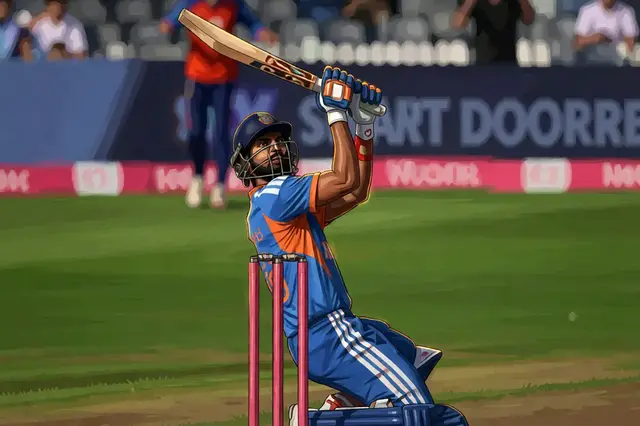
Teams have taken to the new Impact Player rule like a hungry wolf to a flock. On a day when the surface offers more assistance to seamers, the decision to slot in a utility bowler at 11 overs can swing the momentum. New Zealand’s coach pulled a left‑arm seamer for a hard‑hitting finisher at 12 overs – a move that raised eyebrows.
Why? The idea is simple: the hard‑hitting finisher can take advantage of a dead‑ball that rolls true once the moisture evaporates. If the ball stays wet, a power‑hitter becomes a liability – a quick single turns into a dot ball. The gamble is real, and the payoff can be brutal.
- Substituting a bowler for a batting Impact Player after 10 overs on a damp track often yields a lower boundary‑percentage.
- Teams that keep a left‑right batting pair at the crease when wrist‑spin looms gain a tactical edge – the angle of the turn plays into the natural variation of the pitch.
Hyderabad’s T20 scouts watch these moves with a keen eye for auction value. A bowler who can swing a wet ball at 135 km/h becomes a hot ticket for the next IPL – especially if he can also field like a cat.
Left‑Right Batting Pairs vs Wrist‑Spin – The Unseen Weapon
Wrist‑spin on a damp track is a paradox. The ball grips the surface more, turning sharply, but the moisture also dampens the spin’s bite. The trick is to have a left‑hander and a right‑hander batting together. The left‑hander can exploit the short of the ball on the off‑side, while the right‑hander works the leg‑glance against the turn.
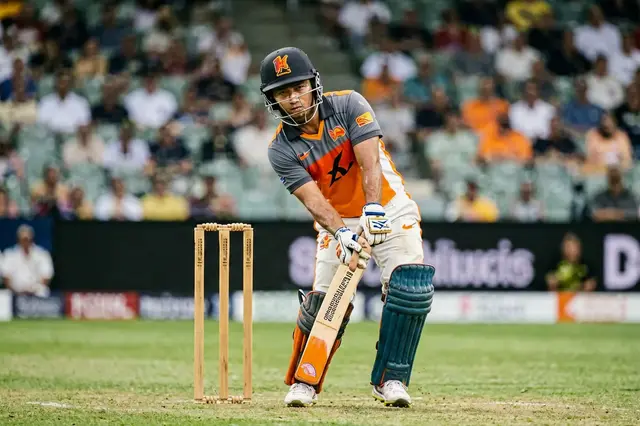
New Zealand’s selection panel kept a left‑handed opener with a right‑handed all‑rounder at No 3. The result? A 22‑run partnership that survived the early swing and set the platform for a late‑over slog. The opposition’s wrist‑spinner, however, could not find the usual drift; the ball simply slid off the wet surface like a puck on ice.
For IPL strategists, this is a signal: the value of a left‑right combo spikes when the pitch is unpredictable. In auction rooms, you’ll hear agents shouting ‘run‑rate’ and ‘boundary‑percentage’ in the same breath.
Boundary Dimensions – Size Does Matter
The Hamilton Cricket Association trimmed the straight boundaries to 68 metres after a series of rain‑affected games. Shorter straights mean the hard‑hitting Impact Player becomes a weapon, but the side boundaries remain a mammoth 78 metres. The result is a crisp, vertical game where aerial shots over mid‑wicket are rewarded, while straight lofts become dangerous if the ball lands in the wet outfield.
Hyderabad’s data team crunched the numbers: on a 68‑metre straight, a batsman with a 150‑meter strike radius gains an extra 12% in boundary‑percentage, but only if the outfield is dry. Wet grass turns that extra 12% into a 6% penalty as the ball slows on the wet grass and drops for a quick single.
Pre‑Toss XI Dilemmas – Who Goes First?
Coaches are sweating over the toss. Win the toss, bowl first, and you get the advantage of a damp pitch that favours seam and swing. Lose it, chase a modest total and hope the dew dries the outfield enough for big hits.
In Hamilton, the New Zealand captain chose to bowl. The decision paid off – three early wickets fell on a pitch that still retained moisture, and the opposition never recovered. It’s a textbook case of playing the conditions, not the opponent.
From a Hyderabad perspective, the lesson is clear: auction bids for bowlers who can exploit early‑over swing should be inflated when the venue promises a wet start. Conversely, power‑hitters should be priced lower unless the side‑boundary is short and the outfield is expected to dry quickly.
Streaming, Fans, and the Unexpected SEO Boost
While pundits dissect the pitch, fans across India are busy searching for a way to stream the match. The phrase ‘rs9 apk download india’ has spiked in Google Trends, showing how desperate cricket lovers are to catch every wet‑ball drama on their mobiles.
It’s a reminder that the modern game is as much about digital access as it is about boundary‑percentage. Teams that understand the fan‑streaming ecosystem can monetize their brand better – a point for franchise owners to note when allocating sponsorship budgets.
Bottom Line for the Auction Room
Wet New Zealand pitches are a crucible that tests a player’s adaptability. Impact Player swaps become a tactical lever, left‑right batting pairs turn a wobbling surface into a scoring platform, and boundary dimensions dictate whether a power‑hitter can thrive.
Hyderabad’s scouting report now reads: ‘Buy the swing‑king, hedge with a left‑right combo, and keep an eye on the rs9 apk download india trend for fan engagement.’ The auction will be a battle of numbers, but the real fight happens on the field – where a damp outfield can turn a run‑chasing nightmare into a bowler’s playground.
So, next time you’re scanning the auction board, ask yourself – is this player built for a sticky red‑soil track, or will he crumble when the dew settles? The answer will decide whether you walk away with a gem or a dust‑collector.
Related coverage
- IPL to Grow to 12 Teams by 2028 – Fans Brace for rs9 apk download india Surge
- Google, BCCI launch AI Search for IPL fans – rs9 apk download india

Updated 2026-11-12 · Instant Rupee Deposits & 60s Withdrawals · 24/7 Support.
Access Official ResumeHelp Portal →Head of Telemetry & Records · Jaipur Desk
Neha Desai heads the statistical modeling desk at ResumeHelp in Jaipur. She specializes in ball-by-ball telemetry, historical chart patterns, and data verification for rs9 apk download india.
Reader Discussion & Match Reactions (2)4.8★ Community (2 Comments)
Verified Indian cricket reader perspectives & tactical debate on resumeshelpservice.com
New Zealand’s surprise left‑arm seamer, introduced at the 12‑over mark, is a fantasy goldmine on this damp track because his early swing can harvest 8–10 points before the ball dries, but the accompanying hard‑hitting finisher at 11 overs looks a risky zero‑point gamble. Given the Hyderabad scouting crew’s warning about low bounce, I’d bench the finisher for this game and load my XI with seamers like the left‑arm and a middle‑order batsman who thrives on skiddy deliveries, boosting my weekly points.
The 8:30 PM IST dew will turn the outfield into a slick carpet, so I’d shift the slip cordon back a metre, employ an extra wicket‑keeper in the circle to cut down run‑outs. Because the new ball is already skidding at the 22‑yard line, the captain should open with the left‑arm seamer for an initial spell of 6 overs, then bring the hard‑hitter on at 12 overs only if the surface dries, otherwise stick to seam‑heavy rotations.