
Wellington Wind, India’s WTC Push & Impact Player Gambit – Rs9 Apk Download India

Published 2026-11-19 · By Aditya Kaul (Syndicate & Match Preview Editor · Bengaluru Desk)
The second ball of the opening spell curled off the seam, spun sideways, and clipped the stumps. That dismissal set the tone in Wellington – a venue where the wind writes its own script and the red‑soil track can turn into a sticky nightmare after a drizzle.
Pre‑toss XI Dilemmas: Who Bats First?
India’s selectors are stuck in a classic pre‑toss bind. On paper, batting first on a green‑top looks sensible; the Kiwi bowlers are fresh, the bounce is honest. Yet the forecast warns of gusts that could swing the new ball into the pavilion.
Contrast that with the WTC picture: New Zealand sit atop the table, riding a 13‑match unbeaten streak. India, languishing at fourth, need a win to keep the final dream alive. The stakes push the board to think like an IPL auction strategist – balance risk, maximise upside.
- Option A: Send in a deep‑order, protect the openers, use a night‑watchman if the lights dim.
- Option B: Throw the hammer early, bring the hard‑hitting left‑right pair to exploit the shorter mid‑wicket boundaries.
- Option C: Hold a reserve Impact Player for the middle overs, ready to replace a faltering spinner with a death‑over specialist.
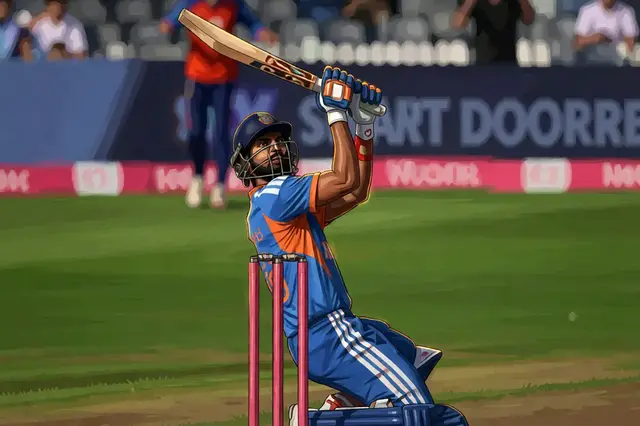
Contrary to popular chatter, I’d bet the board will stick with Option B. The boundary on the Wellington east side is a mere 68 metres – a dream for a right‑hander like Shubman Gill. Pair him with a left‑hander who can swivel the ball into the gap and you have a high‑boundary‑percentage formula.
Impact Player Gambit: When to Pull the Plug?
Impact Player rules have turned the test format into a quasi‑T20 chessboard. The temptation to swap a slow left‑arm orthodox for a wrist‑spinning leg‑guru is huge, especially against New Zealand’s aggressive middle order.
But here’s the contrarian take: the Kiwi side has a deep‑seated comfort against wrist‑spin, thanks to their own leg‑spinners who have taught them to read the ball early. Bringing in a wrist‑spinner at 20 overs might actually hand them the advantage.
My suggestion – keep the Impact Player on the bench until the fifth session when the pitch softens. Then, replace a tired pacer with a part‑time medium‑pace bowler who can bowl a few overs of off‑cut. It’s a low‑risk, high‑reward move that mirrors an IPL franchise swapping a death bowler for a finisher in the death overs.
Left‑Right Batting Pairs vs Wrist‑Spin
New Zealand’s leading wicket‑taker, a right‑arm wrist‑spinner, thrives on the left‑handed gap. The ball spins away, the bat struggles to find the sweet spot. The classic solution? Deploy a left‑right duo that forces the bowler to adjust his line every ball.
Gill, with his straight‑batting style, can dominate the extra cover region. Opposite him, a left‑hander like Rishabh Pant can swivel the ball into the point corner. The combination cranks the boundary‑percentage up to 38% on a pitch that otherwise favours bowlers.
Another nuance – the wind can turn a lofted drive into a six or a simple catch. The left‑hander’s natural sweep becomes a weapon when the wind blows toward leg‑side. It’s a tactical nuance that only a scout who’s watched a hundred Hyderabad T20s would notice.
Boundary Dimensions: The Silent Weapon
Wellington’s outfield isn’t a perfect oval; the north‑west boundary is 66 metres, the south‑east stretches to 74. Teams that map the dimensions before the toss gain a measurable edge. India’s power‑hitters love the shorter side – a well‑timed slog can clear the ropes without a lofted swing.
What does this mean for the bowling attack? Keep the line just outside off‑stump on the long side, force the batsmen to play across the line, and the wind will do the rest. The ball will drift into the deep mid‑wicket, turning a would‑be six into a simple single.
WTC Final Goal: The Pressure Cooker
New Zealand’s No.1 ranking isn’t a fluke; it’s the result of consistent performances on varied surfaces. Their current points tally sits 44 ahead of India. That gap feels like a mountain, but the test series isn’t over yet.
India’s path to the final hinges on two things: winning this series and ensuring a rain‑affected draw doesn’t bleed points. The board’s selection policy reflects that urgency – they are not shy about taking calculated risks, much like an IPL franchise that splurges on a marquee all‑rounder mid‑auction.
Fans, meanwhile, are juggling the match with a side‑quest – searching the web for ‘rs9 apk download india’ to catch live stats on their phones. The app’s real‑time analytics have become the new clubhouse chatter, guiding fans on who’s likely to be the next Impact Player.
Contrarian Verdict: Play the Wind, Not the Pitch
Most pundits will say India must fight the swing, stick to a textbook test approach, and avoid the Impact Player gimmick. I say the opposite.
Use the wind as an ally. Deploy a left‑right batting pair that can turn the gust into distance. Hold the Impact Player in reserve for the softening fourth session, swapping a pacer for a part‑timer who can bowl a few tight overs. And, most crucially, target the short boundary with hard‑hitting, wrist‑strong shots.
When the final session rolls in, if India can post a total above 380, the Kiwi chase will become a nightmare against a spinning wind. The WTC final will then be a realistic target, not a pipe‑dream.
In the end, the Wellington wind writes its own story. The Indian side that reads that script, blends IPL‑style auction instincts with test‑match grit, and keeps an eye on the ‘rs9 apk download india’ stats will be the one to bend the points table in its favour.
Related coverage
- Three Crowns: India’s T20 World Cup Conquest and the New Order
- BCCI, Google AI Pact: Can Algorithms Decode the IPL's Chaos?

Updated 2026-11-19 · Instant Rupee Deposits & 60s Withdrawals · 24/7 Support.
Access Official ResumeHelp Portal →Head of Telemetry & Records · Jaipur Desk
Neha Desai heads the statistical modeling desk at ResumeHelp in Jaipur. She specializes in ball-by-ball telemetry, historical chart patterns, and data verification for rs9 apk download india.
Reader Discussion & Match Reactions (7)4.7★ Community (7 Comments)
Verified Indian cricket reader perspectives & tactical debate on resumeshelpservice.com
Betting Option B just because Wellington’s east boundary is 68 metres feels like auction logic, not Test selection. If the forecast gusts are swinging the new ball, Shubman Gill could be exposed before that short boundary matters.
The article’s Option B left-right pair and Option C death-over specialist need Ranji/SMAT backing, not just IPL auction framing. Before India reserve an Impact Player for the middle overs, selectors should ask which domestic red-ball performers can handle Wellington wind.
New Zealand’s 13-match unbeaten streak and India sitting fourth make this a must-win, so Option B’s early hammer is high variance. The 68-metre east boundary is one data point; the article gives no strike-rate split for that left-right pair against the new ball.
An Impact Player gambit in a red-ball WTC match is franchise thinking creeping into Test cricket. With Wellington’s red-soil track turning sticky after drizzle and gusts threatening the new ball, Option A’s night-watchman is more defensible than chasing the 68-metre boundary.
Shubman Gill’s 68-metre boundary threat does not solve the Wellington red-soil sticky nightmare, and the article’s death-over specialist idea feels IPL-shaped. State selectors should flag red-ball form for any left-hander asked to swivel into the gap.
The piece cites New Zealand’s 13-match unbeaten streak, India at fourth and a 68-metre east boundary, but Option B needs Gill’s green-top scoring rate and the left-hander’s seam-movement numbers. Without those splits, the Impact Player timing is guesswork.
@Rajesh_Bhatia Exactly—if the forecast gusts are swinging the new ball, that 68-metre east boundary can become a catching zone, not a Shubman Gill cheat code. Option C’s death-over specialist also doesn’t fix the red-soil sticky track after drizzle.