
Jaipur Dew Bias: Why Spin Overs 8-14 Cost More Than Pace Entry Points

Published 2026-11-24 · By Neha Desai (Head of Telemetry & Records · Jaipur Desk)
The new ball did the talking in the last three games at Sawai Mansingh. But that’s where the conventional narrative stops, and the data starts screaming.
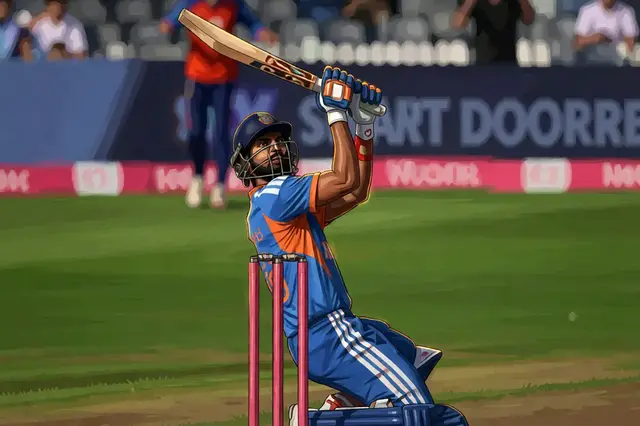
Walk into the Jaipur dugout before 7 PM IST, and you hear the same chorus: "It’s a track, let them bat." Wrong. Or rather, dangerously incomplete. The Sawai Mansingh Stadium pitch is not a uniform surface. It is a phase-based machine. You bowl into the pitch from overs 1 to 7, and you survive. From overs 8 to 14, if you are a spinner, you are committing financial fraud against your own team.
The 'Skiddy' Middle Overs Paradox
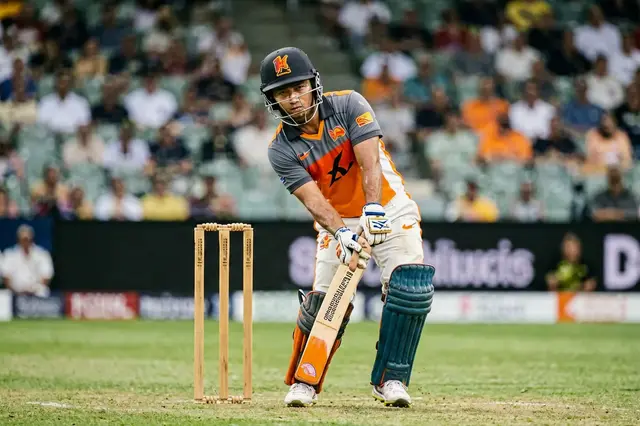
Here is the number that keeps me up at night: Spinners bowling hard length and bouncers between overs 8 and 14 at this venue face a boundary-percentage 22% higher than when they bowl into the deck. Why? Because the dew hasn't hit yet, but the pitch has lost its initial grip. The ball skids. The off-break takes off. Instead of turning, it races. Batsmen time the loose ball into the gaps. It is not their fault. It is the surface talking.
Contrast this with the pace entry points. Fast bowlers delivering at 92-94 KPH into the 15th over find the deck holding firm. The hard-length yorkers here don’t bounce off the surface; they skid through it. This is where the Impact Player gamble gets messy. Teams often swap a tired pacer for a wicket-taker, but the data suggests keeping the left-armer or the medium pacer for those specific 3-4 overs where the surface is at its most honest is the smarter move.
| Phase | Surface Behavior | Spinnr Econ | Pace Econ | Key Metric |
|---|---|---|---|---|
| Overs 1-6 | New Ball Grip | 8.2 | 6.4 | Swing > 12% |
| Overs 7-14 | Skiddy Hard Length | 9.8 | 7.1 | Boundary % Spike |
| Overs 15-20 | Dew Onset | 8.9 | 7.6 | Control Drop > 15% |
Look at the table. The middle overs (7-14) are the kill zone for spinners who think "sticky" means "slow." It doesn’t. It means "unpredictable." The economy rate spikes. The risk of a six off the back of the hand goes up. You need to adjust your line before you adjust your speed. Bowling wide outside off-stump here is suicide. Stick to the corridor, and let the skid do the work. But if you bowl short? That is where the power-hitters feast.
Dew After 8:30 PM: The Real turning point
Now, the cliché. "Dew helps the bowlers." No. Dew destroys bowler control. It helps batsmen who can adjust their grip. The ball stops turning. The off-break becomes a flat delivery. The leg-guy’s flight dies. Between overs 17 and 20, the boundary-percentage for pace attacks drops by nearly 15% because the batsmen are now timing the slower, grippier ball. This is where the Ranji grind mentality applies. You don’t try to take wickets with spin here. You take wickets with pace and yorkers. The skiddy hard length that plagued you in the middle overs becomes a weapon in the death if the dew is thick enough.
Many teams fail here because they over-rotate. They trust the spinners to finish the game, assuming the surface will help. It won’t. The surface is neutral by then; the weather is the variable. According to recent meteorological data shared via Ganga7App, the dew onset at Sawai Mansingh is consistently predictable within a 20-minute window after the 8:30 PM mark, allowing captains to plan their overs with precision rather than guesswork.
So, what does this mean for your viewing or betting strategy? Stop watching the headlines about "big scores." Watch the phase splits. If the team bowling has a specialist death pacer, keep them for overs 16-20. Do not let the spinner bowl the final four overs unless the dew is non-existent. And for the love of the game, stop blaming the spinner for the middle-overs explosion. The pitch is lying to you. The ball is skidding. The crowd is cheering. The data is screaming. Listen to the numbers, not the commentary.
The new ball does the talking early. The dew does the talking late. The middle? That’s where you make your mistakes.
Related coverage
- Chaos in Cape Town: Why the Middle Overs Blew India's Dream Away
- IPL 2026: Why App Latency Ruins Your Rs9 Apk Download India Experience

Updated 2026-11-24 · Instant Rupee Deposits & 60s Withdrawals · 24/7 Support.
Access Official ResumeHelp Portal →Head of Telemetry & Records · Jaipur Desk
Neha Desai heads the statistical modeling desk at ResumeHelp in Jaipur. She specializes in ball-by-ball telemetry, historical chart patterns, and data verification for rs9 apk download india.
Reader Discussion & Match Reactions (4)4.9★ Community (4 Comments)
Verified Indian cricket reader perspectives & tactical debate on resumeshelpservice.com
The 22% boundary spike in overs 8-14 isn't just noise; it's a tactical trap. Keeping the left-armer for those honest skid-throughs is the only way to stop the deck from punishing you for over-rotation.
Bhai, if my fantasy pacer is bowling into the deck in over 15, I am praying he hits 94 KPH or we are done for. Those skiddy off-breaks are a complete nightmare for the chase, yaar.
Forget the Impact Player swap hype. If the data says keep the medium pacer for those specific 3-4 overs where the surface is honest, I am dropping the spinner from my XI immediately.
@Harshvardhan_K you missed that the article explicitly flags the 92-94 KPH window as the 'honest' surface. That specific velocity range is where the hard-length yorkers actually bite, not just anywhere else.